In recent years, the rise of smart technology has revolutionized the way we live our daily lives. From smartphones to smart homes, this technology has permeated almost every aspect of our existence. One particularly noteworthy development is the role of smart tech in powering sustainable homes. Let’s explore how smart tech is making homes more energy-efficient and environmentally friendly.
Energy Monitoring Systems
One of the key ways in which smart tech is revolutionizing sustainable homes is through energy monitoring systems. These systems allow homeowners to track their energy usage in real-time, providing them with insights into their consumption patterns and helping them identify areas where they can reduce waste. By analyzing this data, homeowners can make informed decisions about how to adjust their energy usage to reduce their environmental impact.
Smart Thermostats
Another popular smart tech solution for sustainable homes is smart thermostats. These devices learn your heating and cooling preferences and adjust the temperature accordingly, helping to maximize energy efficiency and reduce energy waste. By using smart thermostats, homeowners can save money on their energy bills while also reducing their carbon footprint.
Solar Panels and Smart Grids
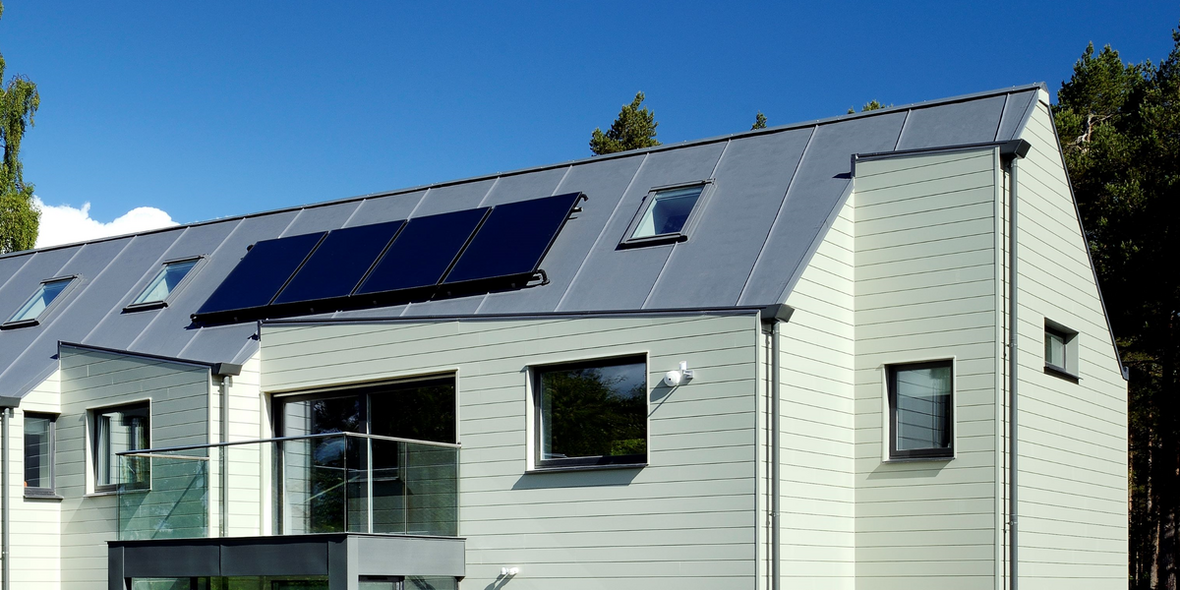
One of the most impactful ways that smart tech is powering sustainable homes is through the integration of solar panels and smart grids. Solar panels allow homeowners to generate their own clean energy, reducing their reliance on traditional energy sources and lowering their carbon emissions. Smart grids enable homeowners to sell excess energy back to the grid, further promoting renewable energy usage and creating a more sustainable energy ecosystem.
Smart Lighting and Appliances
Smart lighting and appliances are also key components of sustainable homes powered by smart tech. By using energy-efficient LED bulbs and smart appliances that can be controlled remotely, homeowners can reduce their energy usage and environmental impact. Smart lighting systems, for example, can be programmed to adjust brightness and color temperature based on natural light levels, optimizing energy efficiency and creating a more sustainable living environment.
Water Conservation Systems
In addition to energy efficiency, smart tech is also helping homeowners conserve water. Smart irrigation systems, for example, use weather data and soil moisture sensors to adjust watering schedules, reducing water waste and promoting a healthy landscape. Smart faucets and showerheads can also help homeowners reduce water usage by automatically shutting off when not in use, contributing to a more sustainable home environment.
Conclusion
As technology continues to advance, the possibilities for creating sustainable homes powered by smart tech are endless. By integrating energy monitoring systems, smart thermostats, solar panels, smart lighting, water conservation systems, and more, homeowners can reduce their environmental impact and create a more sustainable living environment. With the continued growth of smart technology, the future of sustainable homes looks brighter than ever.
For more information on how smart tech is powering sustainable homes, contact us today!