
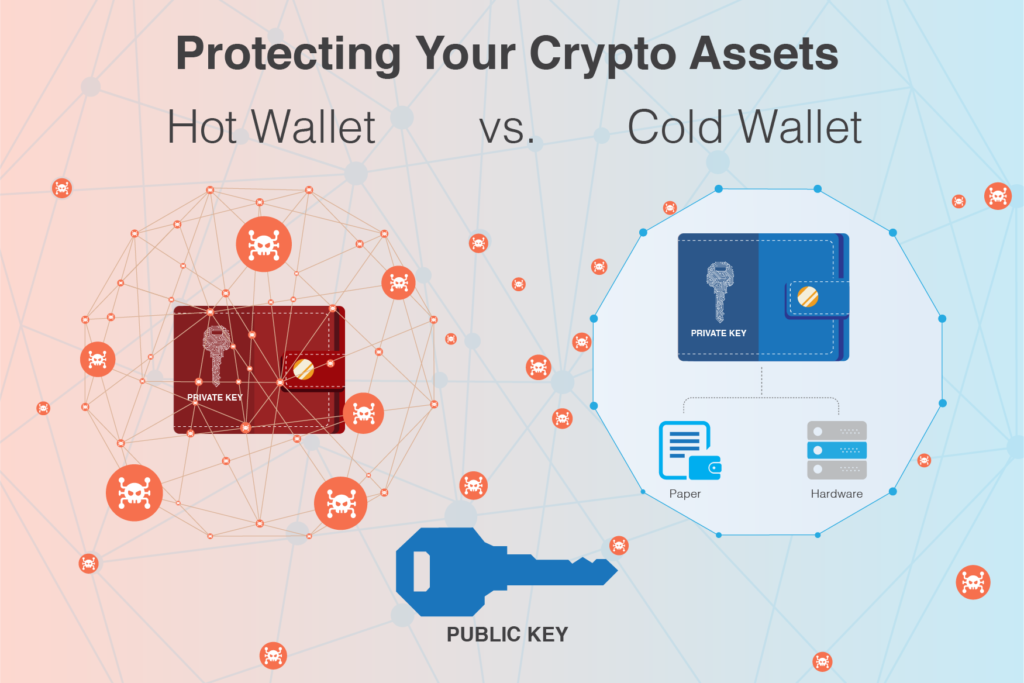
In the world of cryptocurrency, keeping your assets secure is a top priority. One of the most important decisions you’ll need to make is choosing between a hot wallet and a cold wallet. Both options have their own set of benefits and risks, so let’s break down the differences between the two to help you make an informed decision.
Hot Wallets
A hot wallet is a type of cryptocurrency wallet that is connected to the internet at all times. This makes it convenient for quickly accessing and transferring your funds, but it also makes it more vulnerable to hacking and theft. Hot wallets are typically used for smaller amounts of cryptocurrency that you plan to use for everyday transactions.
Pros of Hot Wallets
Convenient access to your funds
Easy to use for day-to-day transactions
Can be accessed from anywhere with an internet connection
Cons of Hot Wallets
Greater risk of hacking and theft
Not ideal for storing large amounts of cryptocurrency
Dependent on the security measures of the wallet provider
Cold Wallets
A cold wallet is a type of cryptocurrency wallet that is not connected to the internet. This makes it much more secure than a hot wallet, as it is not vulnerable to online attacks. Cold wallets are typically used for storing large amounts of cryptocurrency that you do not plan to use for immediate transactions.
Pros of Cold Wallets
High level of security
Ideal for storing large amounts of cryptocurrency
Protection from online attacks
Cons of Cold Wallets
Less convenient for day-to-day transactions
Not as easily accessible as hot wallets
Can be more cumbersome to set up and use
Which Wallet is Right for You?
Ultimately, the decision between a hot wallet and a cold wallet will depend on your individual needs and preferences. If you plan to use your cryptocurrency for daily transactions and are comfortable with the security measures provided by the wallet provider, a hot wallet may be the right choice for you. However, if you are looking to store large amounts of cryptocurrency for the long term and prioritize security above all else, a cold wallet may be the better option.
Whichever type of wallet you choose, it’s important to take additional security measures to protect your assets, such as enabling two-factor authentication and keeping your private keys secure. With the right combination of security practices and wallet technology, you can keep your cryptocurrency safe and secure.
Remember, the world of cryptocurrency is constantly evolving, so it’s important to stay informed and adapt your security practices accordingly. Whether you choose a hot wallet or a cold wallet, the most important thing is to keep your assets secure and protected at all times.