In the world of software development, there are two main methodologies that teams often use to manage projects: Agile and Waterfall. Both approaches have their own strengths and weaknesses, and understanding the differences between them is crucial for any tech professional looking to optimize their development process. In this article, we will delve into the key characteristics of Agile and Waterfall development, and explore the advantages and challenges of each.
What is Waterfall Development?
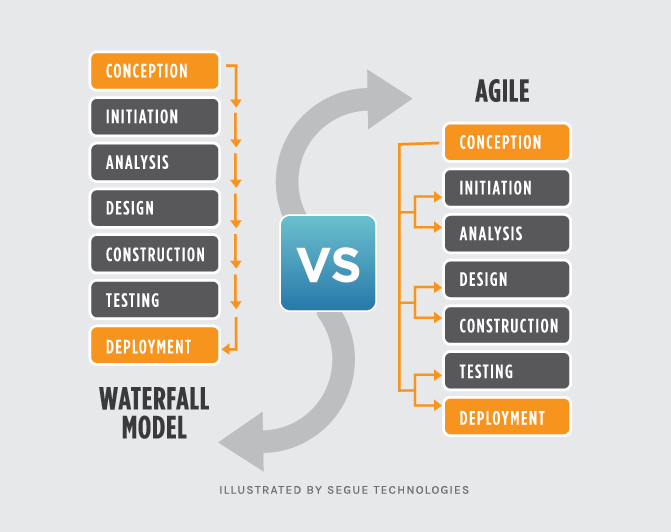
Waterfall development is a traditional, linear approach to software development. In this methodology, the project is divided into distinct phases, with each phase building upon the previous one. The phases typically include requirements gathering, design, implementation, testing, and maintenance. Once a phase is completed, the team moves on to the next phase, and there is little room for iteration or changes once a phase has begun.
Waterfall development is often favored for projects with clear, well-defined requirements, as it provides a structured framework for planning and execution. However, this rigidity can also be a drawback, as changes to requirements or unexpected challenges can disrupt the entire project timeline.
What is Agile Development?
Agile development, on the other hand, is a more flexible and iterative approach to software development. In Agile, the project is broken down into small, incremental cycles known as sprints. Each sprint typically lasts 1-4 weeks and culminates in a working product increment. The Agile team works closely with stakeholders and regularly reviews and adjusts the project priorities based on feedback.
Agile development is well-suited for projects with evolving requirements or a high degree of uncertainty. By focusing on delivering value in small, frequent increments, Agile teams can quickly respond to changes and deliver a product that meets the changing needs of the market.
Advantages of Waterfall Development
Structured Planning
Waterfall development provides a clear roadmap for the project, with well-defined milestones and deliverables. This structured approach can help teams stay on track and ensure that the project stays within scope and schedule.
Predictability
With Waterfall, the project plan is established upfront, making it easier to predict timelines and budget requirements. This can be beneficial for projects with fixed deadlines or budget constraints.
Challenges of Waterfall Development
Risk of Scope Creep
Since changes are difficult to accommodate once a phase has begun, there is a risk of scope creep in Waterfall projects. If requirements change or new features are requested, it can be challenging to incorporate these changes without disrupting the project timeline.
Lack of Flexibility
Waterfall development is not well-suited for projects with evolving requirements or a high degree of uncertainty. The rigid structure of Waterfall can make it difficult to adapt to changing circumstances or emerging opportunities.
Advantages of Agile Development
Flexibility
Agile development allows for greater flexibility and adaptability, as the project is broken down into small, manageable sprints. This enables teams to respond quickly to changes and deliver value incrementally.
Iterative Approach
By working in short, iterative cycles, Agile teams can gather feedback early and often, leading to a product that better meets the needs of stakeholders. This iterative approach can facilitate continuous improvement and innovation.
Challenges of Agile Development
Requires Active Stakeholder Involvement
Agile development requires close collaboration with stakeholders throughout the project. This can be challenging if stakeholders are not readily available or have conflicting priorities.
Complexity of Managing Multiple Sprints
Managing multiple sprints concurrently can be challenging, as teams need to balance competing priorities and ensure that each sprint is progressing towards the overall project goals. Without proper oversight, this can lead to inefficiencies and missed deadlines.
Conclusion
Both Agile and Waterfall development methodologies have their own strengths and weaknesses, and the best approach will depend on the specific requirements and constraints of the project. Waterfall development may be more suitable for projects with well-defined requirements and fixed deadlines, while Agile development is better suited for projects with evolving requirements or a high degree of uncertainty.
Ultimately, the key to success is understanding the strengths and limitations of each methodology and selecting the approach that best aligns with the project goals. By leveraging the strengths of Agile and Waterfall development, tech professionals can optimize their development process and deliver successful projects that meet the needs of stakeholders.